Nebulizers play a critical role in delivering fine aerosolized medicine deep into the lungs for patients with respiratory conditions. While most people focus on the nebulizer’s cup, compressor, or tubing, one component often overlooked is the filter — which ensures that the the air entering the device is clean, contaminant-free, and safe. Over time, these filters accumulate dust, debris, and even microbial particles, reducing airflow efficiency, increasing strain on the compressor motor, and potentially introducing unwanted particles into the inhaled air. Fortunately, many original manufacturer (OEM) filters are available for common nebulizer models — but equally important is the availability of third-party replacement filters, which often offer comparable performance at lower cost and easier accessibility.
In this post, we’ll walk through replacement filter considerations for three popular nebulizer families: Omron, PARI Vios, and Pulmo Neb. For each one, we’ll describe filtration capacity, service life, key features, compatible third-party alternatives, and guidance on when to swap them out. You’ll also find a technical specifications section for those who like to dig into dimensions and materials. Whether you already own one of these units or are considering upgrading your filters, this guide aims to help you make informed choices so your nebulizer continues operating at peak efficiency — safely and reliably.
Omron Nebulizer Filter Replacement
Description & Filtration Capacity
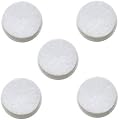
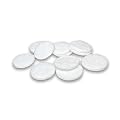
Omron nebulizers typically use small disc or pleated filters with a nominal filtration efficiency of 99% for particles above ~0.3–0.5 µm (microns). They are designed to block fine dust, pollen, and environmental particulates, ensuring clean intake air into the compressor.
Life Span & Replacement Interval
Under typical home use, the Omron filters should be changed every 6 months or sooner if you live in a dusty environment or if you notice reduced airflow or discoloration (yellowing or dust buildup). In heavy-use or clinical settings, replacement every 3 months may be safer.
Important Features
Pleated or fibrous filter media providing high surface area
Compact form factor for minimal airflow resistance
Medium back-pressure tolerance to avoid overworking the compressor
Easy snap-in or slide-in installation
Third-Party Filter Options
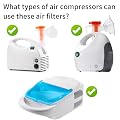
Several aftermarket suppliers offer compatible filters for Omron units. These third-party filters often match or slightly undercut OEM pricing while maintaining similar filtration performance. Be sure to check device compatibility (model number, size). Some third-party filters include extra auxiliaries like prefilters or layered dust screens for extended life.
When to Replace
Replace immediately if you detect discoloration, serious dust load, or noticeably weaker airflow. Also replace after any hospitalization or intense environmental exposure (e.g. wildfire smoke). If your nebulizer performance declines or the motor sounds strained, that’s a red flag.

Pari Vios Nebulizer Filters Replacement
Description & Filtration Capacity
PARI Vios nebulizers typically use cylindrical or cartridge-style inlet filters rated for ~95–99% efficiency at ~0.5 µm. They protect the internal compressor from particulate ingress. The design often includes multiple media layers (coarse + fine) to trap varying particle sizes.
Life Span & Replacement Interval
Under normal home conditions, PARI Vios filters should be replaced every 4 to 6 months. In poorer air quality settings, quarterly replacement is safer. Always inspect monthly for dust accumulation or discoloration.
Important Features
Multi-stage or layered media (coarse + fine)
Low resistance to minimize pressure drop
Snap-in design for quick swap
Some versions include a foam “pre-filter” as a dust trap
Third-Party Filter Options
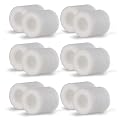
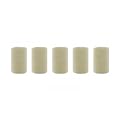
Third-party cartridges or filters for PARI Vios models are available from various medical-supply vendors. These often come in multipacks (e.g., 3 or 5) at lower per-unit cost. Quality can vary — look for ones that specify matching micron ratings and fit models exactly (e.g. Vios LC, Vios Pro). Always verify the seating dimensions and gasket compatibilities.
When to Replace
Replace sooner if you observe dust buildup, discoloration, or a drop in aerosol output. Also change if motor noise rises or if the system feels hotter than usual. In dusty or construction zones, consider more frequent replacements.
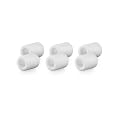
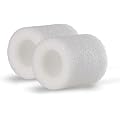
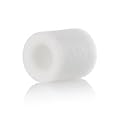
Filters For Pulmo Neb Nebulizers
Description & Filtration Capacity
Pulmo Neb (or PulmoNeb) compressors often utilize disc or rectangular filters rated at ~99% efficiency for ≥0.3 µm particulates. Some designs incorporate electrostatic fibers to better trap fine particulates while preserving airflow.
Life Span & Replacement Interval
Typically, Pulmo Neb filters should be replaced every 6 months in standard home use. In harsher environments or with heavy use, change every 3–4 months. Inspect monthly for dust saturation or discoloration.
Important Features
Pleated or fibrous electrostatic media
Low airflow resistance to preserve nebulization rate
Secure snap-fit design
Some third-party versions include prefilter nets or screens
Third-Party Filter Options
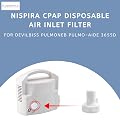
Several third-party manufacturers produce compatible filters for Pulmo Neb units. These may come in bulk multipacks at reduced cost. Some even provide improved filter media (e.g. higher fiber count) or added prefilter layers. Ensure that thickness and outer dimensions match your original filter, and that the sealing edges are compatible.
When to Replace
Replace when visible dust build-up or discoloration occurs, when you notice weaker airflow or slower aerosolization, or if compressor motor noise increases. In highly polluted or dusty settings (e.g. rural, near traffic, construction), consider more frequent replacements — perhaps every quarter.
Ensuring your nebulizer’s air intake remains clean is vital not just for performance, but for your respiratory safety. Regular filter replacement — whether with OEM or reliable third-party alternatives — helps maintain optimal airflow, protects the compressor, and ensures that you’re inhaling uncontaminated air. By following the guidelines above for Omron, PARI Vios, and Pulmo Neb devices, inspecting filters monthly, and swapping them frequently in dusty environments, you’ll extend your equipment’s life and uphold treatment efficacy. Always double-check dimensions and compatibility when choosing third-party replacements, and don’t hesitate to keep a backup set on hand.