CPAP and BiPAP therapy rely on more than just masks and pressure settings — clean intake air is essential. The filters in ResMed machines protect both you and the device: they block dust, pollen, microbes, and airborne particles from entering the air path and internal components. Over time, these filters degrade, get clogged, or accumulate particulates, which can reduce airflow, strain the motor, or diminish therapy effectiveness. That’s why timely replacement is critical.
ResMed offers built-in disposable filters for many of their devices, but many users turn to third-party alternatives that match OEM performance while often costing less or coming in multipacks. In this post, we explore the filter options for (1) universal disposable filters compatible with ResMed AirSense 10 / AirCurve 10 / S9 / AirStart series, (2) the dedicated filters for the ResMed AirSense 11, and (3) the compact replacement filter for the ResMed AirMini travel CPAP. For each type, we’ll cover filtration capacity, expected service life, key features, when to replace, and viable third-party alternatives. At the end, a technical specifications section gives you media types, dimensions, and other details. With this guide, you can ensure your ResMed device continues to deliver optimum, clean airflow night after night.
Disposable Universal Replacement Filters for ResMed AirSense 10 – ResMed AirCurve 10 – ResMed S9 – AirStart
Description & Filtration Capacity
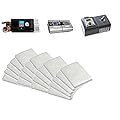
These universal disposables are designed to match the OEM ResMed filters used in many earlier and current series (AirSense 10, AirCurve 10, S9, AirStart). They typically use multi-layer nonwoven synthetic fiber (polyester or similar) media, often 2–4 layers, engineered to capture fine dust, particulate matter, and allergens down to ~0.3–1.0 µm in size. Some premium third-party versions claim enhanced layering for better fine particle capture. For example, one supplier markets their filters as “4 layers of ultra-fine spinning fiber cotton” to boost dust capture.
Life Span & Replacement Interval
ResMed itself recommends changing these disposable filters twice per month (i.e. roughly every 14 days) for optimal performance. Many users choose a 30-day replacement schedule in cleaner environments, but in dustier or pet-friendly homes, 14–20 days is safer.
Important Features
Thin but efficient nonwoven layers to minimize airflow resistance
Exact fit to slot/cavity in the rear of the machine
Compatible with the filter cover and airflow gating
Some third-party packs include extra filters or “premium” labeling
Should not be washed — single-use only
Third-Party Filter Options
There are many aftermarket filter packs marketed as compatible with these models. As one example, a “20 Pack CPAP Filters” set claims near-perfect compatibility for AirSense 10 / AirCurve 10 / S9. Amazon Another supplier (SleepDoctor) markets replacement filters for the AirSense / AirCurve 10 series. Sleep Doctor When choosing third-party filters, be sure to check thickness, size, and the number of layers. Avoid overly thick filters that may restrict airflow or cause errors.
When to Replace
Immediately if the filter becomes discolored or heavily laden with dust
If you notice reduced airflow or higher blower noise
Stick to a 14-day or 30-day schedule, depending on your environment
If your DME provider or manufacturer suggests a stricter interval
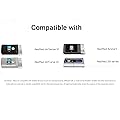
Filters Compatible with The ResMed AirSense 11 CPAP Machine
Description & Filtration Capacity
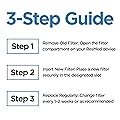
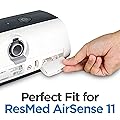
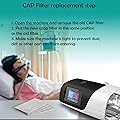
The AirSense 11 uses a dedicated ultra-fine disposable filter. It is engineered to trap dust, allergens, and fine particulates, protecting both your airway and the internal components. The filter is non-washable and installed in the machine’s rear intake slot.
Life Span & Replacement Interval
The official guidance is to replace the AirSense 11 filter every 30 days (once per month). In environmentally clean settings, you might stretch to 45 days, but in dusty rooms, pets, or heavy pollen zones, monthly (or even more often) is prudent.
Important Features
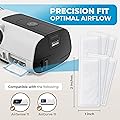
Compact, form-fitting design made for AirSense 11’s internal filter chamber
Low resistance to preserve therapy pressure accuracy
Protected by the machine’s filter cover to prevent stray airflow
Sold in multipacks by OEM and third-party vendors
Third-Party Filter Options
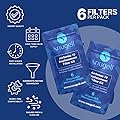
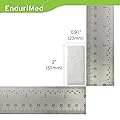
Third-party replacement filters designed for AirSense 11 are available, including multipacks from Snugell. Be cautious: ensure the dimensions, thickness, and airflow characteristics match OEM specs. Avoid bulk filters that are overly dense or thick, which may cause pressure drop or filter alarm errors.
When to Replace
Replace monthly as default
Replace earlier if filter appears soiled, discolored, or clogged
In dusty or allergen-prone environments, inspect weekly and swap earlier if needed
Replacement Disposable Filter for ResMed AirMini Travel CPAP Machine
Description & Filtration Capacity
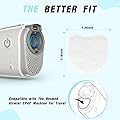
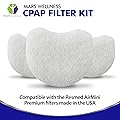
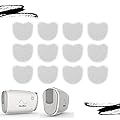
The AirMini is a compact travel CPAP unit and uses a small disposable filter to protect its internal air path. The filter is designed to block dust, pollen, and fine particulates entering the mini unit.
Life Span & Replacement Interval
ResMed and distributors often suggest changing this filter every 6 months under normal use. However, if you travel in dust-laden environments frequently, a more frequent replacement is wise.
Important Features
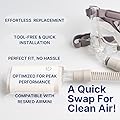
Small form factor tailored for the AirMini
Single-layer or light multi-layer media (designed to maintain airflow in the compact unit)
Fits the AirMini filter cover snugly
Disposable only — not washable
Third-Party Filter Options
Because of its niche form factor, third-party options are fewer. Some marketplaces list generic “AirMini replacement filters” but be careful to verify dimensions. OEM filters tend to be safer here.
When to Replace
Every 6 months (baseline)
Sooner if you observe dust accumulation, discoloration, or hear elevated blower noise
If the device operates in dusty travel environments frequently
Replacing filters on your ResMed CPAP or BiPAP device is a simple but essential maintenance step to preserve clean airflow, protect the motor, and maintain therapy effectiveness. Whether you’re using universal disposables for the AirSense 10 / AirCurve 10 / S9 series, the dedicated AirSense 11 filter, or the compact AirMini replacement, keep to regular schedules and inspect regularly. Trusted third-party alternatives often offer cost savings, but always verify compatibility in size, thickness, and airflow resistance. Stay on top of filter changes to maximize your device’s lifespan and ensure that every breath you take is as clean and efficient as possible.