ZeroWater is known for its signature 5-stage ion exchange filtration system—a powerful design that removes virtually all total dissolved solids (TDS) from your water and delivers a “zero TDS” result. Every standard ZeroWater pitcher or dispenser relies on this 5-stage filter to reduce contaminants like lead, chromium, PFOA/PFOS, and more. That said, ZeroWater also offers a specialized EcoFilter pitcher model, which does not use the full 5-stage filter. Instead, its dedicated filter is designed primarily for chlorine reduction and taste/odor control, with a focus on minimal plastic waste. In this post, we’ll examine the official ZeroWater 5-stage replacement filter, explore the options and caveats of third-party compatible filters, and cover the EcoFilter’s unique replacement filter system—how it differs, when to use it, and when to replace it. Whether you prioritize maximum purification, lower cost, or ecological design, this guide will help you navigate the trade-offs and pick the right replacement solution for your pitcher.
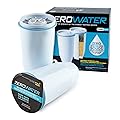
ZeroWater Official Replacement Filter
Filtration Capacity & Life Span:
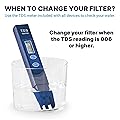
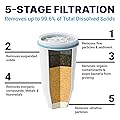
The standard ZeroWater 5-stage filter is designed to bring water TDS (total dissolved solids) down toward zero, using a multi-step process that includes activated carbon and ion exchange media. The stated lifespan can vary widely depending on your tap water’s quality (initial TDS). ZeroWater suggests replacing the filter once the TDS meter reading (Ready-Read meter) shows 006 or higher. In ideal conditions, users sometimes report lifespans of up to 40 gallons (or 1–4 months). But with harder or more mineral-rich water, the actual life can be much shorter.
Important Features
Uses 5 stages of filtration (mesh screen, foam distributor, activated carbon, ion exchange resin, ultra-fine screen) to reduce dissolved solids and contaminants.
Certified (via IAPMO) for reduction of lead, chromium, mercury, PFOA/PFOS, and other contaminants.
Works with the built-in TDS meter (“Ready-Read” meter) of ZeroWater pitchers, enabling you to monitor filter performance.
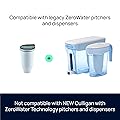
Compatible with all standard ZeroWater 5-stage pitchers and dispensers.
Third-Party Filter Options:
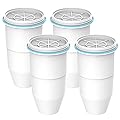
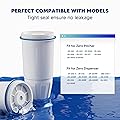
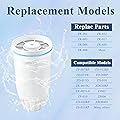
Several third-party filter makers produce cartridges compatible with ZeroWater 5-stage systems. For example, FilterLogic offers filters compatible with ZeroWater pitchers and dispensers. These often cost less than the OEM filter. However, performance may vary and certifications are usually more limited or absent. When using third-party filters, look for explicit claims of compatibility with the ZeroWater 5-stage system and any independent testing or certifications they provide.
When to Replace:
Replace your filter when the Ready-Read meter reads 006 or above, or earlier if you notice slower flow, change in taste, or odor. In practice, many users find that high TDS tap water requires replacement more frequently than the “ideal” lifespan suggests — sometimes every few weeks in more challenging water conditions.
Third Party Filters
Filtration Capacity & Life Span
Third-party filters designed to mimic ZeroWater’s 5-stage system typically advertise similar capacities (e.g. 30-40 gallons or comparable time periods) depending on the brand. Because they are not the original, the effective life may be somewhat shorter under real use conditions.
Important Features
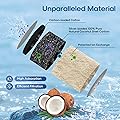
The best third-party filters replicate the same multi-stage process (carbon + ion exchange) to reduce TDS. Some attempt to match the OEM’s performance. However, many will lack full certification or detailed performance data. Always check the filter’s media, construction quality, and vendor claims. Some third-party brands may only certify for chlorine or taste reduction, not full dissolved solids reduction.
Third-Party Filter Options
As mentioned earlier, FilterLogic is one brand offering ZeroWater-compatible filters. Other generic brands may offer multi-stage filters marketed for “ZeroWater pitcher compatibility.” Always examine the product description and reviews closely to confirm actual performance. Because third-party filters are not directly certified by ZeroWater, user testing (e.g. TDS meter) is the best check.
When to Replace
Follow the same replacement criteria: when the TDS meter rises above about 006, or when taste/flow degrade. Because third-party filters may have less capacity or durability, you may need to replace them a bit earlier than OEM. Monitor performance carefully, especially early in use.
EcoFilter Replacement Filter
Filtration Capacity & Life Span
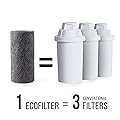
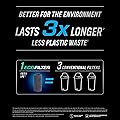
The EcoFilter is the specialized filter used in ZeroWater’s EcoFilter pitcher (which is separate from their 5-stage systems) and is designed primarily for chlorine taste/odor removal, rather than full TDS reduction. According to product listings, each EcoFilter lasts for 120 gallons or about 6 months under typical residential use. It is marketed as being 3× more durable than conventional 40-gallon filters.
Important Features
No plastic shell: EcoFilter comes without a rigid plastic casing, reducing waste and enabling simpler disposal.
Certified (NSF) for chlorine taste and odor reduction (NSF standards 42/53) but not for heavy metal or dissolved solids removal.
Compatible only with the EcoFilter pitcher—it does not fit standard ZeroWater 5-stage pitchers.
BPA-free materials and eco-friendly design.
Third-Party Filter Options
Because the EcoFilter is relatively new and more specialized, third-party options are more limited. There may be compatible carbon/chlorine filters made by generic brands claiming to fit EcoFilter pitchers, but their performance is often less documented. If such filters exist, prioritize ones that explicitly state compatibility with ZeroWater’s EcoFilter system and provide certification or test data for chlorine reduction.
When to Replace
Replace the EcoFilter cartridge approximately every 120 gallons or 6 months, whichever comes first, assuming normal usage conditions. Also consider replacing earlier if you detect chlorine taste or odor reappearing, or if flow slows noticeably. Because this filter is not intended for TDS reduction, you won’t rely on a TDS meter for its replacement—just sensory cues and the time/gallon estimate.
For standard ZeroWater pitchers, the 5-stage replacement filter remains the definitive choice for achieving ultra-low TDS and comprehensive contaminant removal. If you opt for third-party alternatives, ensure they explicitly support the ZeroWater 5-stage system and carry reliable certifications. For most users of the EcoFilter pitcher, its dedicated chlorine-reduction filter is the appropriate option—don’t substitute the 5-stage filter there. Replace filters either when your TDS meter rises above the acceptable threshold (e.g. ~6) or at the manufacturer’s recommended usage—keeping them fresh ensures your water stays clean, safe, and great-tasting.