Choosing the right aquarium filter is one of the smartest moves you can make for a healthy, low-maintenance tank. Filters do more than remove visible debris — they host beneficial bacteria, control chemical impurities, and maintain oxygenation and water movement. This guide reviews the seven major aquarium filter types (Hang-On-Back / HOB, Canister, Internal/Submersible, Top/Multi-Function, Sponge, Undergravel, Fluidized/Moving-Bed, and Sump/Wet-Dry) and highlights three top-selling models for each type, plus practical pros & cons, replacement media availability (OEM and third-party), and which tank sizes they suit best. Whether you’re setting up a nano shrimp tank, a planted 75-gallon display, or a reef system, this post gives clear, SEO-friendly buying guidance so readers can match filtration capacity, maintenance style, and budget to their aquarium’s needs. Read on for actionable recommendations, quick comparisons, and a summary table that helps you pick the best filter for clarity, biological stability, and convenience.
Hang-On-Back (HOB) / Power Filters
Top selling models
- AquaClear Power Filter (various sizes)
- Marineland Penguin Power Filter
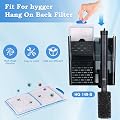
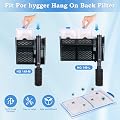
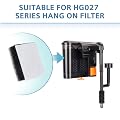
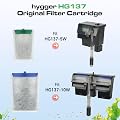
- NICREW / Hygger HOB models (popular slim HOBs)
Pros & Cons
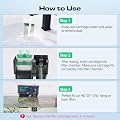
- Pros: All-in-one mechanical/chemical/biological media, easy installation, affordable, good surface agitation.
- Cons: Limited media volume vs canisters, can be noisy at times, takes up rear tank space and may look bulky.
Replacement media (OEM & third-party)
Most HOB filters use replaceable cartridges, sponges and activated carbon. OEM media (AquaClear cartridges, Marineland cartridges, NICREW pads) are widely available; numerous third-party generic cartridges and bulk carbon pads are sold on Amazon and hobby shops. Media is inexpensive and easy to swap.
Suitability (tank sizes)
- Small (up to ~20 gal): Excellent — compact HOBs perform very well.
- Medium (20–75 gal): Good for lightly stocked setups; use larger HOB models or multiple units.
- Large (75+ gal): Not ideal as sole filtration — consider canister or sump for heavy bioloads.
Canister Filters (External)
Top selling models
- Fluval FX6 (and FX series such as FX4)
- Fluval 07 / 307 Performance Canister
- Eheim Classic / Eheim Pro (popular Eheim 2213 / 2217)
Pros & Cons
- Pros: High media capacity, customizable media racks, quiet operation, strong flow for large or planted tanks.
- Cons: Higher upfront cost, takes more space under stand, hoses and seals need occasional service.
Replacement media (OEM & third-party)
Canisters accept modular media (sponges, ceramic rings, bio-media, carbon, specialty pads). OEM media & service kits (Fluval, Eheim) are common; many third-party media brands sell bulk bio-media, activated carbon and prefilter sponges compatible with standard canister baskets.
Suitability (tank sizes)
- Small: Can be overkill but compact canisters fit nano tanks if quietness and media versatility are required.
- Medium: Excellent — balanced capacity and flow.
- Large: Ideal — best choice for heavily planted or stocked tanks when paired with appropriate flow rating.
Internal / Submersible Filters
Top selling models
- Fluval U Series (U1, U2)
- Tetra Whisper / Internal Power Filters
- Hygger / PENN-PLAX submersible internal power units
Pros & Cons
- Pros: Compact, inexpensive, easy to install inside the tank, often include adjustable flow and multiple media stages.
- Cons: Occupies aquarium space, lower media capacity than canisters, may create heat in the tank if pump motor runs warm.
Replacement media (OEM & third-party)
Internal filters often use cartridge pads, sponges, and carbon inserts. OEM cartridges are widely available; many generic pads and sponge replacements also fit. Replacement media is generally low cost and easy to swap without tools.
Suitability (tank sizes)
- Small: Very suitable for nano and small tanks.
- Medium: Good for moderate bioloads if sized correctly.
- Large: Not recommended as sole filter for large tanks — use alongside canister or sump.
Top / Multi-Function (Top-Mount / Combo) Filters
Top selling models
- SUNSUN multi-function top filters (various JS / XQP series)
- Sobo / WaterBear 4-in-1 Top & Submersible combos
- Marineland / Penn-Plax top mount models (popular in budget markets)
Pros & Cons
- Pros: Space-saving for aquariums without room behind or beneath; many combine HOB, internal and submersible features in one unit.
- Cons: Build quality varies widely across budget brands; media volume is typically modest.
Replacement media (OEM & third-party)
These hybrid units use small sponges, cartridges, and carbon pads. OEM kits exist for mainstream models; third-party pads and generic cartridges are common, especially for widely sold SUNSUN/Sobo products.
Suitability (tank sizes)
- Small: Great for small and nano tanks where space is limited.
- Medium: Usable for lightly stocked medium tanks; choose higher flow models.
- Large: Not ideal alone — consider pairing with larger filtration.
Sponge Filters
Top selling models
- Hygger dual / layered sponge filters
- Aquarium Co-op / Aquatop sponge filter lines (popular among hobbyists)
- Generic sponge filter kits (air-driven) sold under many brands
Pros & Cons
- Pros: Excellent biological surface area, extremely gentle flow (safe for fry and shrimp), cheap and simple to maintain.
- Cons: Limited mechanical polishing; requires an air pump; not attractive for display tanks if visible.
Replacement media (OEM & third-party)
Sponge filters are reusable — simply rinse sponges in tank water during maintenance. Replacement sponges are inexpensive and widely available; there’s no proprietary media issue.
Suitability (tank sizes)
- Small: Ideal for breeding and shrimp tanks.
- Medium: Suitable as supplemental biological filtration or for low-flow planted tanks.
- Large: Can be used in multiples for biological support but not ideal as sole filtration in large, heavily stocked tanks.
Undergravel Filters (UGF)
Top selling models
- Lee’s Premium Undergravel Filter plates / kits
- Penn-Plax / Marina undergravel plates and kits
- Generic UGF kits sold with air pumps (various hobby brands)
Pros & Cons
- Pros: Hidden from view, provides a broad biological filter using the gravel substrate, low cost.
- Cons: Debris can accumulate beneath plates, substrate options limited (not ideal for sand), harder to clean or change aquascape, outdated compared with modern filtration.
Replacement media (OEM & third-party)
UGFs are largely plate + gravel systems — no cartridges required. Replacement plates and uplift tubes are available from major brands; third-party replacement plates and air lifts are also sold. Because the “media” is the gravel, maintenance is largely in substrate care.
Suitability (tank sizes)
- Small: Works well in simple small freshwater aquariums with gravel substrate.
- Medium: Usable if properly maintained, but many hobbyists prefer canister/sump solutions.
- Large: Rarely used alone for large tanks; sump/canister combos are favored for heavy bioloads.
Fluidized Bed / Moving-Bed Biological Filters
Top selling models
- Dedicated moving-bed reactors / MBBR units (specialist brands and DIY kits)
- Fluidized sand bio-reactors sold by aquarium/pond specialty vendors
- Commercial-style bio-reactors used in larger freshwater or research setups (brand names vary by region)
Pros & Cons
- Pros: Extremely high biological surface area in a compact footprint; excellent nitrification capacity; great for high bio-load tanks.
- Cons: Niche market — devices are more complex, need pre-filtration to avoid clogging, and are commonly sold by specialty retailers rather than mass marketplaces.
Replacement media (OEM & third-party)
Fluidized reactors use small beads or sand as media (plastic K1 media or sand). Replacement media (K1, ceramic beads) is widely available from aquarium suppliers and many third-party sources. Media replacement intervals are long but check vendor guidance for cleaning and media top-up.
Suitability (tank sizes)
- Small: May be overkill for tiny tanks unless you want ultra-stable biological filtration for breeding setups.
- Medium: Great when combined with mechanical pre-filtration.
- Large: Excellent for high bioload and commercial systems — often paired with canister or sump pre-filtration.
Sump / Wet-Dry (Trickle) Filters
Top selling models / systems
- Eshopps / Red Sea / Trigger Systems modular sump kits (popular reef/saltwater and advanced freshwater setups)
- Custom reef sumps and wet/dry trickle filter kits sold by specialty aquatic retailers
- DIY sump builds using modular components (bulkheads, protein skimmers, filter socks, refugia)
Pros & Cons
- Pros: Maximum media volume and flexibility, hides equipment out of sight, excellent oxygenation and stability for reefs and planted systems.
- Cons: Most complex to install, requires an overflow and proper plumbing, potential for flooding if installed incorrectly.
Replacement media (OEM & third-party)
Sumps accept any media you want — sponges, filter socks, bio-balls, ceramic rings, carbon, bio pellets, macroalgae refugia. Media is sold in bulk by numerous third-party vendors and OEM kits exist for modular sumps. This wide choice is one of the sump’s key advantages.
Suitability (tank sizes)
- Small: Often unnecessary for tiny tanks; micro sumps exist but are less common.
- Medium: Excellent for planted and advanced freshwater systems.
- Large: Best option for large displays, reef tanks, and systems needing complex equipment (skimmers, reactors, refugia).
Summary Table
Quick reference — three top models per filter type, pros/cons, media availability and ideal tank sizes.
| Filter Type | Top 3 Models | Pros | Cons | Replacement Media | Best Tank Size |
|---|---|---|---|---|---|
| HOB / Power | AquaClear; Marineland Penguin; NICREW/Hygger HOB | Easy, cheap, all-in-one | Limited media volume, can be noisy | OEM cartridges & many third-party pads | Small → Medium |
| Canister | Fluval FX6/FX4; Fluval 307; Eheim Classic | High capacity, customizable, quiet | Costly, needs space & periodic servicing | OEM kits + broad third-party bio/media options | Medium → Large |
| Internal / Submersible | Fluval U Series; Tetra Whisper internals; Hygger submersibles | Compact, inexpensive, easy | Takes internal space, lower capacity | OEM cartridges & generic pads/sponges | Small → Medium |
| Top / Multi-Function | SUNSUN JS/XQP; Sobo / WaterBear combos; Penn-Plax top models | Space-saving, versatile | Variable build quality, modest media | OEM pads & many generics for popular models | Small → Medium |
| Sponge | Hygger sponge; Aquarium Co-op; Generic sponge kits | Best biological filtration, cheap | Limited mechanical polishing | Replaceable sponges (cheap, universal) | Small → Medium (supplemental) |
| Undergravel | Lee’s UGF; Penn-Plax UGF; generic kits | Hidden, inexpensive biological filter | Difficult to clean, outdated for many setups | Replacement plates & uplift tubes (limited) | Small → Medium |
| Fluidized / Moving-Bed | MBBR reactors & fluidized sand units (specialist vendors) | Very high bio surface area, compact | Niche, needs prefiltration, specialist gear | K1 media, ceramic beads, sand (third-party available) | Medium → Large |
| Sump / Wet-Dry | Eshopps/Red Sea/Trigger sump kits; custom DIY | Maximum flexibility & capacity | Complex install, plumbing risk | Any media — socks, pellets, carbon, refugia options | Medium → Large (best for large/reef) |
Conclusion: The “best” aquarium filter depends on tank size, stocking level, aesthetic preferences and how hands-on you want maintenance to be. For simplicity and affordability choose a HOB or internal filter; for powerful, quiet, and highly customizable filtration choose a canister or sump; for biological robustness in breeding/shrimp tanks choose sponge filters; and for high bio-load or commercial setups consider fluidized reactors or sump systems. Always match filter flow and media surface area to your aquarium’s volume and target turnover to keep water crystal clear and biologically stable.