One of the elegant features of the AeroPress is its simplicity: a cylindrical chamber, a plunger, and a small round filter disk. But simplicity doesn’t mean you can ignore the filter — in fact, choosing the right filter (and maintaining or replacing it appropriately) makes a significant difference in taste, clarity, and ease of cleanup. Whether you prefer the clean clarity of paper, the eco-friendly nature of unbleached options, or the richer body afforded by metal filters, each choice carries trade-offs in flavor, waste, and longevity.
In this post, we break down three main filter options for standard AeroPress brewers (not the XL version): round disposable paper filters, natural unbleached paper filters, and metal (reusable) filters. For each type, you’ll find technical specifications (material, dimensions, pore design), expected lifespan or usage patterns, standout features, third-party alternatives, and guidelines for when (and why) to replace them. Whether you brew daily or occasionally, whether you favor clarity or boldness, this guide will help you make informed choices and keep your AeroPress performing at its best. Let’s explore each filter option in depth.
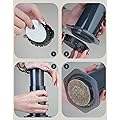
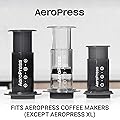
Round Disposable Coffee Paper Filters Compatible with Aeropress Coffee Makers
Technical Details
Material: High-quality microfilter paper, typically food-grade, designed to absorb oils and trap fine particles but allow dissolved solubles to pass.
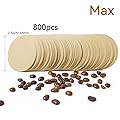
Dimensions: The standard AeroPress microfilters are approximately 63 mm in diameter (≈ 2.5 inches).
Pore / Filtration: The microfilter structure is engineered to stop most fine grounds and suspended particulates, ensuring a grit-free cup.
Life Span / Usage
These paper filters are single-use — after one brew, discard.
Because they are thin and delicate, reusing even once tends to degrade flow and clarity.
Important Features
Clarity and Clean Cup: Because paper absorbs many bitter oils and blocks fines, you often get a smoother, cleaner flavor profile.
Consistent Flow: Good stiffness and structural integrity when wet help prevent collapse or tearing mid-press.
Easy Cleanup: After pressing, the puck plus filter can be ejected or pushed out cleanly.
Biodegradable / Compostable: The paper filters are designed to break down naturally.
Third-Party Filter Options
Many generic round paper filters marketed as “compatible with AeroPress” are available; just ensure they are ~63 mm diameter and good microfilter grade.
Some brands offer FSC-certified or chlorine-free papers for eco-conscious users.
Avoid overly cheap or thin papers that may tear under pressure.
When to Replace
Always start with a fresh paper filter for every brew.
If you attempt reuse and notice slower flow, clogging, or increased fines in the cup, discard it.
If a filter is cracked, torn, or deformed before use, don’t use it — it can cause channeling or leakage through.


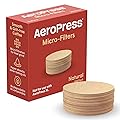
Natural Unbleached Filters for Aeropress Coffee Makers
Technical Details
Material: Unbleached (i.e. non-chlorine-bleached) microfilter paper. It shares structure with standard paper filters but avoids chemical bleaching steps.
Dimensions: Same as standard — ~63 mm diameter to fit the AeroPress chamber.
Filtration Performance: Similar microfilter capacity to bleached paper — traps fines and blocks oils, albeit with potentially slightly different absorption behavior (due to fiber characteristics).
Life Span / Usage
Also single-use. After pressing, discard or compost.
Since the unbleached paper may be a little thicker or denser, it may sometimes slightly slow flow relative to bleached variants, but generally negligible in practice.
Important Features
Cleaner Process / Minimal Chemical Processing: For users avoiding bleached products, unbleached filters are attractive.
Comparable Clarity: Though the unbleached fiber may retain more micro-color, the effect on flavor is usually minimal.
Sturdy Structure: Good quality unbleached filters maintain wet strength similar to bleached ones.
Biodegradable / Compostable: Just like bleached filter paper, unbleached filters break down naturally.
Third-Party Filter Options
Many brands now offer unbleached versions of the standard AeroPress microfilters.
Ensure compatibility — some unbleached papers might be slightly more fibrous or thicker; test for flow and fit.
When to Replace
Use a fresh unbleached filter every brew.
Don’t reuse: you’ll get slower flow, more clogging, and possibly flavor extraction issues.
Always check for structural damage before use — if crumpled, torn, or warped, discard.

Aeropress Metal Filters
Technical Details
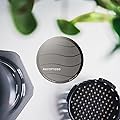
Material: Food-grade stainless steel, often grade 316 (higher corrosion resistance) is used by the official AeroPress metal filter.
Filtration / Aperture: The metal mesh or perforated plate allows oils and micro-solubles through while catching larger particulates. Because metal is more porous than paper, you may see slightly more fine sediment or “body.”
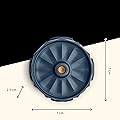
Dimensions / Fit: Designed to match the ~63 mm filter diameter and fit snugly into the AeroPress filter cap or filter holder.
Life Span / Usage
The metal filter is reusable, potentially lasting many years with proper care.
Its longevity depends on how carefully you clean and store it (avoid bending, warping, corrosive exposure).
Important Features
Greater Mouthfeel & Body: Because oils pass through, brews often have more texture, complexity, and perceived fullness.
Waste Reduction & Cost Savings: Over time, you avoid buying disposal filters.
Robustness & Durability: A well-made metal filter resists rust, bending, and warping.
Ease of Cleaning: A good metal filter should rinse clean, brush easily, and handle occasional deeper cleaning (soak).
Flow Behavior Differences: Because of higher permeability, brewers often adjust grind finer (slightly) when using metal filters to slow flow and ensure proper extraction.
Third-Party Filter Options
Able Disk — a disk-style stainless steel filter with different hole sizes; able offers a “standard” (non-XL) version.
Many third-party stainless steel or gold-tone filters are sold for AeroPress; verify diameter and mesh aperture.
Some metal filters are “super-fine” or “ultra” variants — finer mesh for closer behavior to paper while still passing oils.
When to Replace
Inspect periodically for warps, bent edges, clogged mesh, rusting, or spots you can’t clean.
If mesh holes widen, wires break, or flow becomes irregular or slower despite cleaning, replace.
If the filter no longer seats snugly (i.e. fits loosely causing leaks or channeling), it’s time to swap.
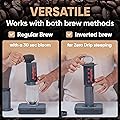
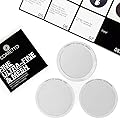
Choosing the right filter for your standard AeroPress is a balance between flavor clarity, waste, cost, and brewing style. Round disposable paper filters deliver clean, grit-free cups, unbleached variants offer a more “natural” option, and metal filters bring fuller body and long-term sustainability. Use a fresh paper or unbleached filter each brew; for metal, clean vigilantly and replace only when damage or wear appears. With the right filter strategy and upkeep, your AeroPress will continue delivering excellent coffee — cup after cup.